Effective Strategies for Dog Arthritis Pain Relief: A Comprehensive Guide
Canine arthritis is a widespread issue that impacts their overall well-being. Recognizing subtle behavioral changes can be essential for prompt care. Several methods can help control discomfort and boost mobility. From dietary adjustments to exercise routines, each approach plays a role. Moreover, holistic therapies may present extra relief. Understanding these effective strategies is essential for any dog owner looking to enhance their pet's comfort and well-being. How can one develop a personalized approach for their dog?
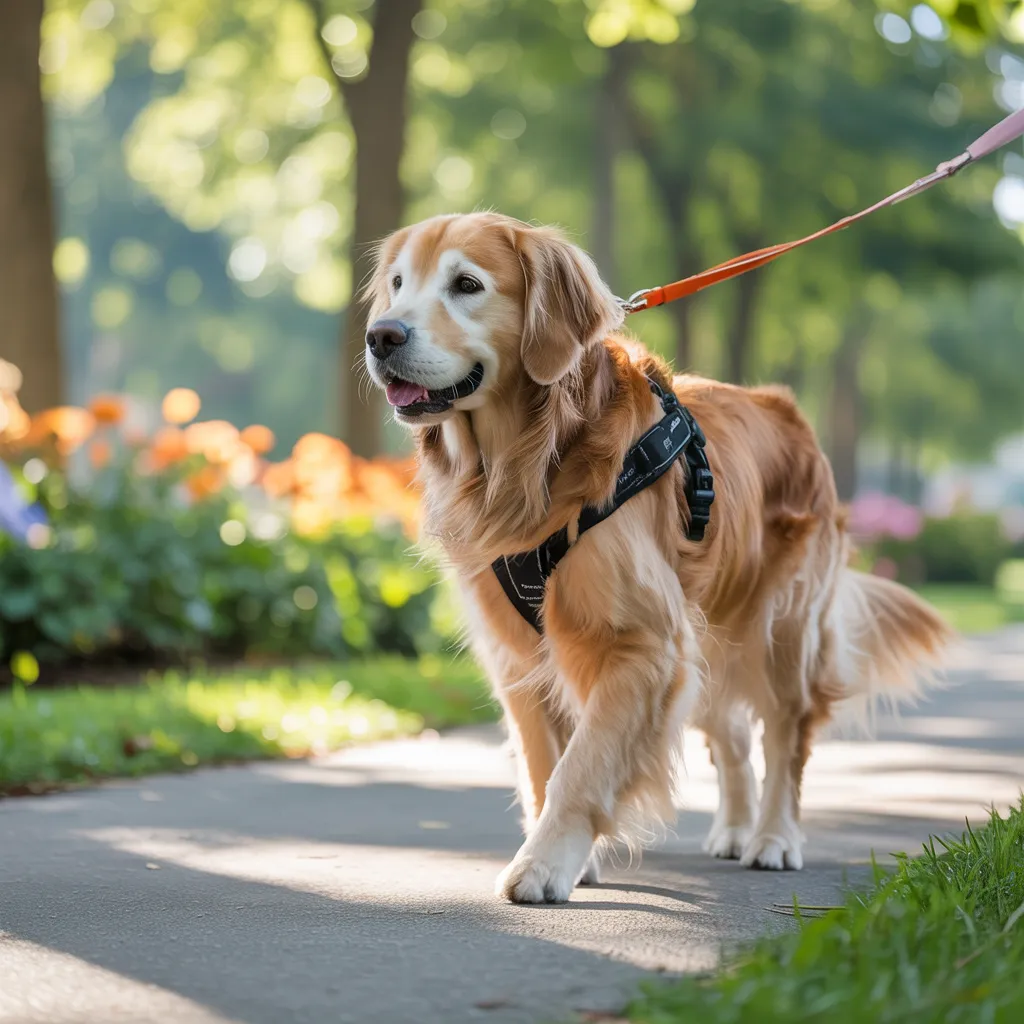
Ways to Detect and Address Arthritis Pain in Your Dog
How can pet owners identify and manage arthritis pain in their dogs? Identifying arthritis pain in dogs demands careful attention to changes in behavior. Signs include difficulty rising, limping, reluctance to walk or play, and decreased interest in activities. Owners could additionally detect shifts in posture, including favoring one leg or displaying a curved back.
Treatment begins with a visit to the veterinarian for a thorough evaluation and management approach. Vets may recommend pain relief medications, nutritional supplements, or therapeutic exercises customized for the individual dog's requirements. Furthermore, providing a comfortable resting area and keeping the dog away from slippery areas can lessen the burden on damaged joints. Routine, mild physical activity can maintain mobility without exacerbating pain. Pet owners should observe their pets carefully, adjusting activities based on their comfort levels, and stay in consistent communication with their vet to ensure optimal control of arthritis symptoms.
Diet Modifications to Help Relieve Arthritis Pain in Dogs
A well-balanced diet can significantly help with relieving arthritis pain in dogs. Adding anti-inflammatory nutrients, such as omega-3 fatty acids found in fish oil, can work to decrease joint inflammation. Including glucosamine and chondroitin supplements may help maintain cartilage integrity, encouraging improved movement.
Additionally, a diet abundant in antioxidant-rich nutrients from fruits and vegetables can boost the body's defenses, aiding in total well-being. Foods like blueberries, spinach, and sweet potatoes are ideal additions to your diet.
Maintaining an appropriate weight is essential, as carrying extra weight places additional stress on the joints. Lowering calorie consumption while offering nutrient-rich foods can support healthy weight management.
Consulting a vet for tailored dietary recommendations is advisable to confirm the diet fulfills a dog's specific needs. Ultimately, thoughtful dietary modifications can greatly contribute to easing arthritis discomfort and improving the overall wellbeing for dogs suffering from arthritis.
Workouts for Canine Joint Health
Alongside nutritional adjustments, adding suitable physical activities can greatly enhance the health of joints in dogs affected by arthritis. Consistent, gentle exercises such as swimming, walking, and light play can assist in preserving flexibility in joints and overall muscle tone. Swimming stands out as especially helpful, as it enables dogs to stay active without placing excessive strain on their joints. Brief, regular sessions are advised, ensuring that the dog does not become overly fatigued.
In addition, stretching exercises can improve range of motion and alleviate stiffness. Easy exercises like leg stretches and mild twists can be conveniently incorporated into a daily schedule. Owners should further consider involving their dogs in stimulating games that foster activity without intense physical impact. It is essential to seek veterinary guidance before initiating any fitness routine to adapt the plan to the dog's unique requirements and limitations. This approach not only supports joint health but can also enhance overall well-being and quality of life.
Best Medications and Supplements for Arthritis in Dogs
Effective management of arthritis in dogs frequently requires a mix of common pain relief medications and helpful nutritional supplements. These treatments can help alleviate discomfort and enhance mobility, improving the overall quality of life for pets suffering from the condition. Being aware of the available treatments is essential for owners looking for solutions for their beloved dogs.
Typical Pain Relief Medicines
A great number of dog owners search for suitable pain relief options to help ease the suffering caused by canine arthritis. Non-steroidal anti-inflammatory drugs (NSAIDs) are frequently recommended, as they reduce inflammation and pain. Vet-approved medications, including carprofen and meloxicam, are widely favored options because of their effectiveness and safety records when used under a veterinarian's supervision. In addition, corticosteroids might be employed in specific instances because of their powerful anti-inflammatory benefits. Additionally, many veterinarians advise gabapentin for managing nerve pain. Every medication carries possible side effects, making attentive monitoring by pet owners essential. Dog owners must speak with their veterinarian to identify the most suitable treatment option tailored to their dog's specific needs and health conditions.
Beneficial Dietary Supplements
Although medications are essential in addressing arthritis pain in dogs, dietary supplements may deliver meaningful relief and strengthen joint health. Frequently used supplements consist of glucosamine and chondroitin, which help maintain cartilage integrity and reduce inflammation. Omega-3 fatty acids, found in fish oil, are known for their anti-inflammatory properties and can enhance mobility. Additionally, green-lipped mussel extract offers natural anti-inflammatory benefits, while turmeric, containing its active compound curcumin, may aid in reducing pain and stiffness. Antioxidants, like vitamin E, are also capable of supporting overall joint health by fighting oxidative stress. It is essential for dog owners to consult with a veterinarian before introducing any supplements, making sure they align with existing treatment plans appropriately.
How Acupuncture and Massage Can Help Your Dog
Acupuncture and massage present effective options for treating arthritis pain in dogs. Acupuncture treatment can activate particular points to boost circulation and minimize inflammation, while focused massage methods can reduce muscle tension and increase mobility. Together, these therapies may considerably enhance a dog's quality of life and general comfort.
Benefits of Acupuncture Treatment
Investigating complementary treatments, canine caretakers often rely on acupuncture and massage as beneficial options for managing arthritis discomfort. The practice of acupuncture includes the placement of thin needles at targeted locations to trigger the body's restorative functions, promoting pain relief and reducing inflammation. This method enhances blood flow, aiding in supplying vital nutrients to damaged joints. Several dogs enjoy greater flexibility and reduced discomfort after multiple acupuncture treatments. Furthermore, acupuncture is widely regarded as safe and is compatible with standard treatments without harmful consequences. Its holistic approach not only targets physical symptoms but also fosters overall well-being, elevating the pet's daily quality of life. Canine caretakers regularly note improvements in their pets' conduct and physical activity following acupuncture therapy.
Massage Techniques for Relief
Massage methods offer a beneficial supplement to acupuncture in relieving arthritis pain in dogs. These practices boost circulation, decrease muscle tension, and encourage relaxation, which can considerably benefit a dog's overall comfort. Targeted approaches, such as gentle kneading and effleurage, can target affected areas, working to reduce stiffness and improve movement.
Regular massage sessions can also nurture a stronger bond between the dog and the owner, creating a relaxing environment that further assists with pain management. It is crucial for handlers to learn appropriate techniques to minimize injury and maximize efficacy. Integrating massage and acupuncture creates a holistic approach, managing both physical and emotional well-being, ultimately leading to a more comfortable life for dogs affected by arthritis.
Designing a Welcoming Home for Your Dog
Reducing the number of stairs or installing ramps can make it easier for dogs to move through their surroundings, lowering the additional information chances of injury and exhaustion. In addition, keeping living spaces free of clutter can reduce the risk of falls and improve mobility.
Temperature control is essential; heated surroundings can help relieve joint stiffness, while cooling mats may alleviate heat sensitivity. Furthermore, ensuring that the dog's favorite toys and resting spots are easily accessible encourages engagement and reduces unnecessary exertion. By applying these modifications, owners can create a nurturing environment that supports their dog's well-being and mitigates arthritis-related pain.
Commonly Asked Questions
Is It Possible to Prevent Dog Arthritis Through Early Intervention?
Timely treatment can help lower the chances of developing canine arthritis. Regular veterinary check-ups, maintaining a healthy weight, and suitable physical activity promote healthy joints, helping to prevent or delay the emergence of arthritis-related issues in senior dogs.
What Are the Indicators of Advanced Canine Arthritis?
Warning signs of progressed canine arthritis include marked difficulty getting around, lameness, resistance to exercising, apparent sensitivity when handled, inflammation of the joints, reduced overall activity, and alterations in temperament, such as growing moodiness or isolation.
What Can I Do to Help My Dog During a Flare-Up?
In the event of a flare-up, ensuring a comfortable place to rest, giving prescribed medications, and using heat or cold packs can help alleviate discomfort. Gentle, short walks may also improve mobility without overexerting the affected dog.
Do Certain Breeds Have a Higher Risk of Arthritis?
Particular breeds, including Labrador Retrievers, Golden Retrievers, and German Shepherds, are at greater risk of arthritis owing to their genetics, body size, and joint composition. Routine vet visits are effective in managing their susceptibility.
When Is Surgery the Right Choice for My Dog's Arthritis?
A surgical procedure for your dog's arthritis should be considered when suffering remains despite alternative therapies, mobility considerably declines, and overall well-being worsens. Speaking with a veterinary professional is crucial to determine the best course of action.